Summer is in high swing and along with the rising temperatures there’s the annual return of biting insects. If you spend any time outdoors you’re likely to face the business end of a mosquito or other biting insect. But insect bites can be deceiving, and it can be easy to mistake one insect bite for another.
If you’re worried about bed bugs it can be difficult to determine whether that unexpected bite mark is from a wayward spider or a hungry bed bug. Learning how to recognize bed bug bites is one of the first steps in addressing the problem and preventing potential infestations.
What Do Bed Bug Bites Look Like?
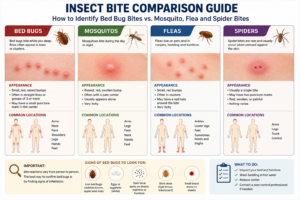
Bed bug bites typically present as small, red, raised welts on the skin. They are usually between 2 and 5 millimeters in diameter, although some people may experience larger welts depending on their sensitivity.
One of the most recognizable characteristics of the bed bug’s bite is the pattern. Unlike most insect bites, which tend to appear randomly, bed bug bites will often occur in zigzag patters or in straight lines. They also tend to present in groups of three or more. This pattern is sometimes referred to as “breakfast, lunch and dinner” to reflect the bed bug’s feeding pattern. Often, the center of the bite mark will have a tiny puncture mark where the bed bug has pierced the skin in order to feed.
Common Locations for Bed Bug Bites
Bed bugs feed on exposed skin. Most commonly while their victim is asleep and vulnerable to attack. As a result bed bug bites most commonly appear on areas of the body not covered by clothing. These include:
-
bare arms
-
hands
-
neck
-
face
-
shoulders
-
legs
-
feet
Although less common, bites may also appear around the waistline if the victim has been wearing loose fitting pajamas.
When Do Bed Bug Bites Appear?
Unlike most inset bites, bed bug bites don’t always appear immediately. It can take some time for a recognized reaction to present itself. Some people will notice bites within a few hours, while others may not develop visible marks for several days following an attack. The delayed reaction can make it difficult to determine exactly when, or where, the bites occurred.
Symptoms of Bed Bug Bites
In addition to the visible welts, bed bug bites often present with a number of other identifiable symptoms. Itching, burning, and general skin irritation are the most common. These all accompany the general swelling around the bite marks.
It is important to avoid excessive scratching. The relief is only temporary and can increase the risk of a secondary bacterial infection if you break or tear the skin. If redness spreads significantly, pus develops, or the area becomes even more painful you should seek medical attention.
How Do Bed Bug Bites Differ from Other Insect Bites?
Since so many insects bites look similar, comparing symptoms can help to narrow down the culprit. So let’s look at a few comparisons:
-
Bed Bug vs Mosquito – Mosquito bites usually appear as isolated, round, itchy bumps. They occur randomly on the skin. Bed bug bites are more likely to appear in clusters or lines.
-
Bed Bug vs Flea – Flea bites most commonly appear around the ankles and lower legs. This is because fleas tend to hide in carpeting and on pets. They will often present with a red halo surrounding the bite. Bed bug bites are more frequently found on the exposed skin of the upper body.
-
Bed Bug vs Spider – Spider bites usually occur as single bites rather than in groups. Again, bed bug bites tend to appear in clusters.
Different People React Differently
The response to a bed bug bite is essentially an allergic reaction, and no two people will react the same. Some will experience intense itching and swelling, while others may only develop tiny red spots. Some people may show no visible reaction at all.
In households with multiple occupants, one person may show obvious bite marks while another will appear unaffected even though both are being bitten.
Signs that Confirm the Presence of Bed Bugs
Because bites alone cannot definitively indicate the presence of bed bugs, it’s necessary to look for other evidence of an infestation. If you suspect you have a growing bed bug problem look for these common signs:
-
Small reddish-brown insects about the size of an apple seed.
-
Tiny white eggs or eggshells.
-
Dark fecal stains on mattresses and bed linen.
-
Shed skins.
-
Small blood stains on pillowcases and sheets.
Inspect the seams of mattresses as well as box springs, bed frames, headboards, and upholstered furniture. Also check cracks and crevices where bed bugs are prone to hide during the day.
Are Bed Bug Bites Dangerous?
The good news is bed bugs do not carry or transmit diseases to humans. That being said, however, they can cause some general health concerns. For example, bed bug bites can cause:
-
Significant itching
-
Sleep disruptions
-
Anxiety
-
Stress
-
Allergic reaction in sensitive individuals
Keep in mind repeated scratching can also lead to problems. If you break the skin you run the risk of secondary infections that may require medical intervention.
When to See a Doctor
Most bed bug bites heal on their own within a couple of weeks. Over-the-counter anti-itch creams and antihistamines can be used to help relieve more intense symptoms.
If you or someone in your family experiences the following symptoms you should consult your family doctor:
-
Severe swelling
-
Difficulty breathing
-
Signs of infection
-
Fever
-
Persistent or worsening symptoms
These may indicate a more severe allergic reaction or a secondary bacterial infection that requires professional medical treatment.
Bed bug bites can be difficult to distinguish from other insect bits. But certain characteristics can provide valuable clues. Since bites may vary from person to person the best way to be sure you have bed bugs is by identifying physical evidence of bed bugs in the home. Prompt inspection and professional treatment can eliminate the infestation before it becomes more difficult and costly to control.
Published by Scott Palatnik
We are Bedbug Inspection & Elimination specialists.
From Manhattan to Montauk and all points in between.
Got questions?
We got answers.
Give us a call @ 516-619-6149